

 Raw
Raw
 All My Friends
 Tennessee Beach
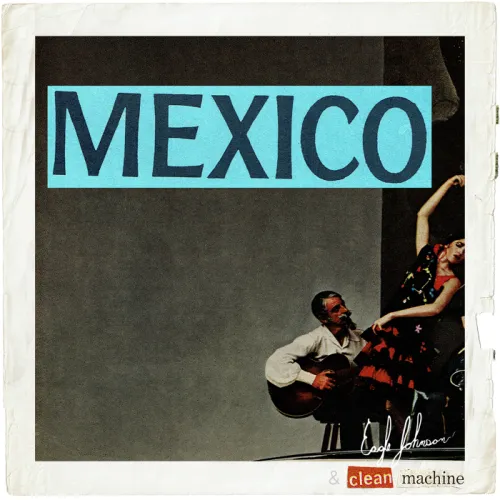 Mexico
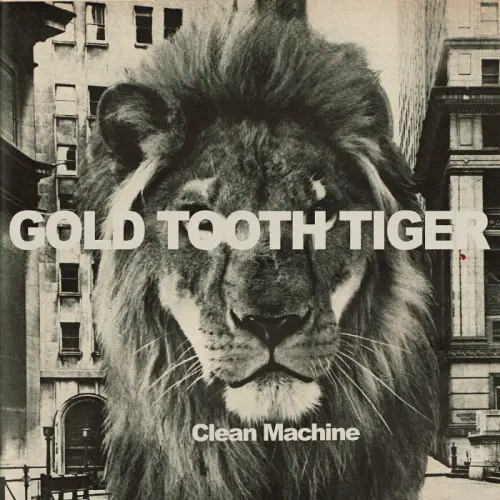 Gold Tooth Tiger
 The Last Gun Basement Tapes
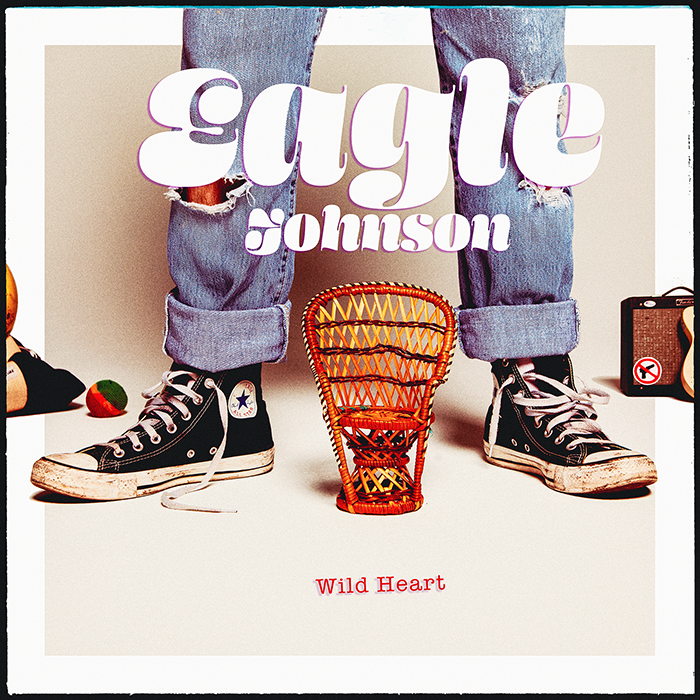 Wild Heart
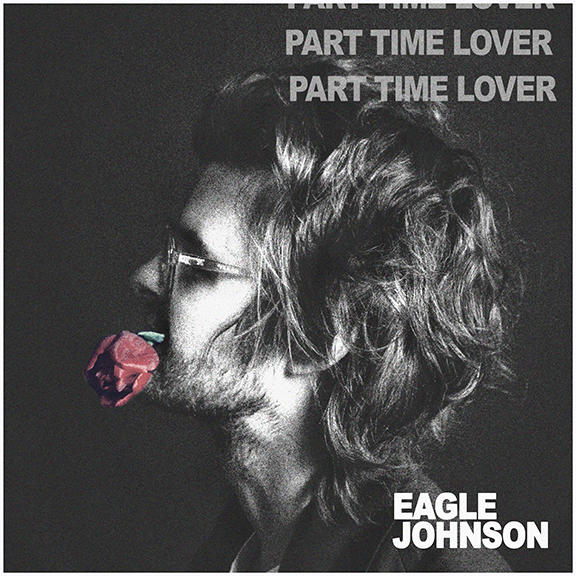 Part Time Lover
 Marys Song
Wild Heart Press
“It’s fucking great…”
The Last Gun Press
“Eagle Johnson is a rock singer/songwriter of the greatest tradition the genre has ever known, and if this narrative was shaky for any critics out there ahead of The Last Gun, it shouldn’t be upon its release this month.”
“Sometimes a solo outing is the only way to get something off of your chest as a creative, and I think this is partly what led Eagle Johnson to issue a masterpiece of a one-man effort in his new album The Last Gun this July…”
“This is likely the best set of basement tapes on one disc to come out in the last seven months, and it wouldn’t surprise me if other critics shared my sentiments on Eagle Johnson’s The Last Gun this July.”
Tennessee Beach Press
“Smart, soulful, and a little bit dangerous.”
“packs more confidence and swagger into these ten songs than we’ve heard in some time.”
“Tennessee Beach is superlative…”
“This is like kinda Neil Young ‘on the beach’ mixed with some Paul Simon and Dr. Dog. I’m loving it.”
Live Review
“I left that night not just a fan, but an advocator. Go see Eagle Johnson & Clean Machine any chance you get!”
Biography
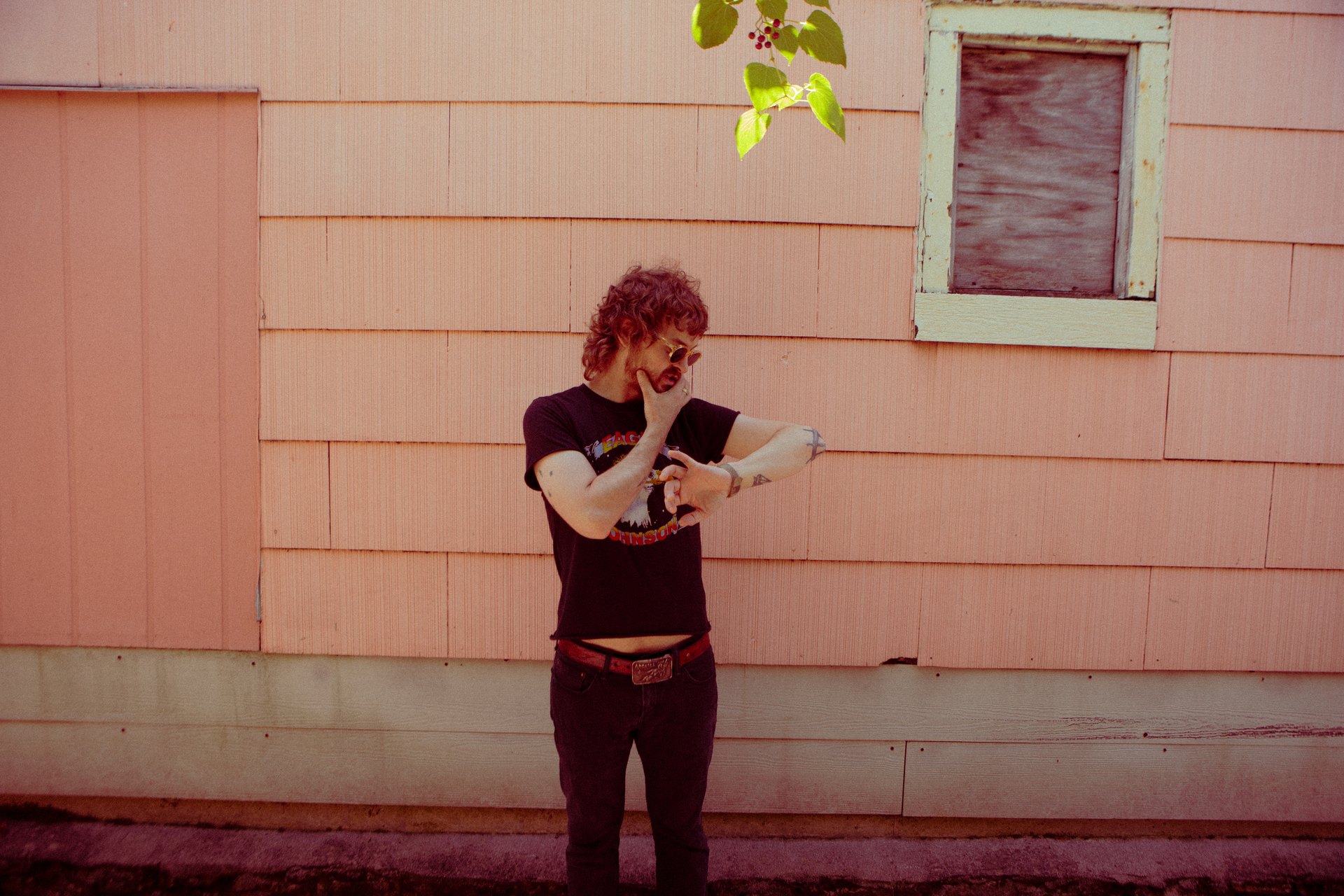
In the vast, benevolent expanse of the universe—where stars are born, explode, and are often underpaid for their performances—there exists a small, blue planet where creatures insist on giving themselves names. One such creature is known as Eagle Johnson.
Eagle was once called Christopher Nanney, a name that, despite all efforts, refused to sound heroic. His paternal ancestors, a scrappy bunch from the Mediterranean island of Minorca, were unceremoniously dropped into Florida as indentured servants—After working off their time, they mingled with the local Seminoles and settled in North Florida to help build the city of St. Augustine, where Eagle grew up hearing tales of his “Indian granddaddy.”
This sparked a lifelong obsession with Native American culture, made all the more ironic by his mother—a blonde-haired, blue-eyed Scot who looked like she should be selling shortbread.
Eagle’s upbringing was a delightful tug-of-war between extremes. His mother, a hippie Greenpeace warrior and full-time idealist. His father, a no-nonsense outdoorsman, preferred hunting rattlesnakes and believed that the solution to most problems involved either a fishing rod or a firearm. Forging his own path, Eagle discovered surfing, skateboarding, and music—abandoning his would-be destiny as a future Florida Man.
At ten, he took up drumming under Jimmy Glenn, a chain smoking former Ray Charles band drummer in his late 80s. By high school, Eagle was a marimba player in a ragtime band that toured Florida, because why not? But music, as every practical adult reminded him, was not a “real job.” So, in a rare attempt at conformity, he enrolled in college for digital media. This side quest lasted roughly as long as a sneeze before he dropped out to play drums in a folk/rock band called Jonathan Appleseed.
But, then, the universe decided to shake things up. A casual game of touch football resulted in a concussion so severe Eagle was stricken with a brief case of amnesia and temporarily lost his ability to speak. When he recovered, his brain, now seemingly upgraded to a more mystical operating system, started serving up divine visions and past life memories. These culminated in the firm belief that God wanted him to break into a church on the night of Easter Sunday, 2010.
So he did.
This, as it turns out, is frowned upon. Eagle was promptly sent to Duval County Jail for three months—two of them in isolation—followed by six months in a state mental hospital. There, he was permitted use of a guitar and given an unusual amount of free time, allowing him to write his first real songs in this lifetime. Given the circumstances, knitting might have been the more expected choice, but music won out.
Upon release, Eagle did what any rational person would: he became a Reiki practitioner, moved to a goat farm in Gainesville, and studied healing. Then, during a particularly enlightening meditation, he realized music was the ultimate form of healing. So, in what was now an established life pattern, he quit school (again) and moved to Memphis, rebranding himself as Screamin’ Eagle after his Native roots.
Memphis, a city built on legend, introduced him to Zeke Johnson, a self-proclaimed last-of-the-original Delta bluesmen who had learned from Mississippi Fred McDowell, Bukka White, and Furry Lewis. Sensing fate at work, Zeke took Eagle under his wing. They formed a duo called Old & Young, and Zeke encouraged Eagle to take his last name, citing “folk tradition.” Eagle resisted—until he had a dream where God (this time appearing as a woman) declared, “You are Screamin’ Eagle, but you will be known as Eagle Johnson.”
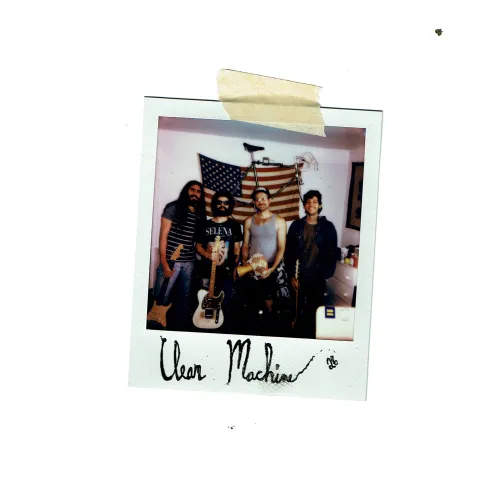
And so, Eagle Johnson drifted to Nashville, where he finally assembled a band that evolved into the recording project Clean Machine—a rotating lineup of musicians and friends brought together around each album. He dove headfirst into the recording arts, soaking up knowledge like a sea sponge in a monsoon. The payoff? Wilco added him to their Spotify Recommends playlist, Patrick Carney of The Black Keys called his music “fucking great,” and Lee “Scratch” Perry co-produced a Clean Machine track. Somewhere along the way, Young World Records was born—not just as a record label, but as an experiment in what an independent music community could become.
That experiment has grown into Juniper Stream, a Nashville-based independent music streaming platform built by musicians for musicians. Rather than chasing algorithms and maximizing streams, Juniper rewards meaningful listening through Listening Time Payouts, reconnects independent record stores to digital music through Record Store Connect, and operates under community-approved bylaws as a Public Benefit Corporation (B Corp) committed to serving artists, listeners, labels, and record stores alike.
The platform’s soft launch begins with the exclusive release of Clean Machine’s third album, Raw—a live rock and roll record featuring Eagle Johnson on lead vocals and guitar, Joseph Jones on drums, Owen Hanna on bass, and Devyn Faucher on guitar and background vocals. Recorded with minimal overdubs, Raw captures four musicians playing together in a room the way rock records used to be made: with humans. No AI, vocal tuning, or drum machines were used in the recording of this album.
Whether Eagle Johnson is building a record label, a streaming platform, or simply trying to make another great rock and roll record is difficult to say. Perhaps it’s all the same thing.